Zebu Kawaii Animal: A Charming Digital Asset for Creators
There’s a certain magic in a design that feels both innocent and strikingly modern. That’s the space where the Zebu Kawaii Animal illustration lives. It’s more than just a cute drawing of a zebu; it’s a carefully crafted piece of digital wall art designed to inject personality and warmth into a vast array of projects. For designers, entrepreneurs, and crafters, understanding its nuances is key to unlocking its full potential.
Understanding the Zebu Kawaii Animal Aesthetic
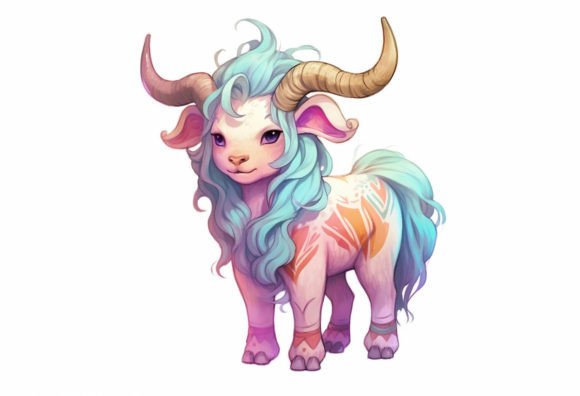
At its core, the Zebu Kawaii Animal is a study in friendly appeal. The illustration captures the zebu’s distinctive humped silhouette but reinterprets it through a lens of soft, approachable charm. Think large, expressive eyes, gentle curves, and a palette that feels vibrant yet harmonious. It’s not a realistic portrait; it’s a character. This kawaii style, rooted in Japanese pop culture, prioritizes cuteness and emotional connection, making it instantly relatable. The Zebu digital wall art isn’t just an image; it’s a mood-setter, perfect for projects aiming to convey warmth, playfulness, or a touch of whimsical sophistication.
The versatility of the asset is built into its delivery. You receive a high-quality PNG with a transparent background and a JPG with a background. This dual format is a practical consideration for real-world use. The PNG is your go-to for layering—placing the zebu on top of patterns, text, or other design elements in software like Adobe Illustrator or Canva. The JPG, with its pre-set background, is ready for straightforward applications where you want a complete scene, like a quick poster print or a social media graphic. The specifications are professional-grade: 3000x3000 pixels at 300 DPI resolution in RGB color mode. This ensures the artwork remains crisp and vibrant whether it’s scaled down for a sticker or blown up for a wall poster.
Practical Applications Across Creative Domains
The true test of any design asset is its utility. Where does the Zebu Kawaii Animal excel? Its friendly demeanor makes it exceptionally versatile for brand identity and packaging design. Imagine it as the charming mascot for a children’s boutique, a friendly face on artisanal food packaging, or the central motif on a line of eco-friendly tote bags. It brings a consistent, recognizable character that can help a small business stand out.
For editorial design and web design, it works as a standout visual element. Use it as a hero image on a blog about sustainable living, as a featured graphic in a newsletter, or as a delightful accent in an online shop’s banner. In the realm of social media graphics, its eye-catching nature is a major asset. A Zebu Kawaii Animal graphic can stop the scroll, add personality to a feed, and create a cohesive visual theme for a campaign.
Then there’s the world of physical products and print-on-demand. This is where the asset truly shines for crafters and entrepreneurs. Its high resolution and clean design translate perfectly onto:
- Wall decor and posters for nurseries, studios, or eclectic living spaces.
- Apparel like t-shirts and onesies, where the transparent PNG allows for seamless integration with fabric patterns or solid colors.
- Stickers and greeting cards, leveraging the cute factor for personal or commercial sale.
- Home goods such as mugs, throw pillows, and canvas bags, turning everyday items into statement pieces.
Integrating the Asset: A Designer’s Perspective
Using a piece like the Zebu Kawaii Animal effectively requires more than just plopping it onto a canvas. Think about visual hierarchy. Is it the main focal point, or a supporting element? Its bold personality often makes it a natural focal point. For logo design, it could serve as a charming logomark, but pair it with a clean, legible sans serif font or a simple serif font for the business name to ensure professionalism and readability. Avoid pairing it with another overly decorative or script font, as that can create visual chaos.
Consider the context. A Zebu Kawaii Animal on a corporate finance report would be jarring, but on the branding for a creative workshop or a children’s book, it’s perfect. Test color interactions. The RGB color mode is ideal for digital screens. If you’re creating print materials, you may need to convert it to CMYK and check for color shifts, especially in the softer tones. Always view the asset at the size it will be used—a tiny detail on screen might become a blur on a large poster.
Finally, think about cohesion. If you’re building a brand identity around this character, extend its style. Use complementary colors from its palette in your typography and backgrounds. Develop other design elements that echo its soft curves and friendly lines. This creates a unified and professional modern typography and visual system. The Zebu Kawaii Animal is a powerful starting point, but its real value is realized when it’s thoughtfully integrated into a larger creative vision, helping to tell a consistent and engaging story to your audience.